I
apologize for not writing an update regarding the Historic Garden sooner, but
it has been a crazy past few months, and it’s hard to think that summer is
already half over! We’ve had to compete with technology issues over the past
view months including having to purchase a new computer along with internet
issues. Life is just a little more
complicated now than it was in Rausch Gap in this regard. Back in Rausch Gap, I
could have just informed you of our progress in the garden when we passed each
other in the village, walking to work, or at the Company Store that would have
most likely served as the place to hear the news and happenings in town. Unfortunately this Historic Garden does come
with some modern inconveniences.
As you may have guessed from the title, the Historic Garden is a bit
weedy. Sorry, that’s actually a bit of
an understatement: it’s VERY weedy! As you saw from my previous post we
transformed a very overgrown area into what we hoped to be our Historic Garden.
Well one thing we didn't account for in this experiment is the reoccurrence of
all the weeds (not the original weeds mind you). Many of our former weeds had already dropped their seeds all over the ground
last fall, and a lot of those seeds became weed seedlings, and have now turned
into big weeds, just like their parents!
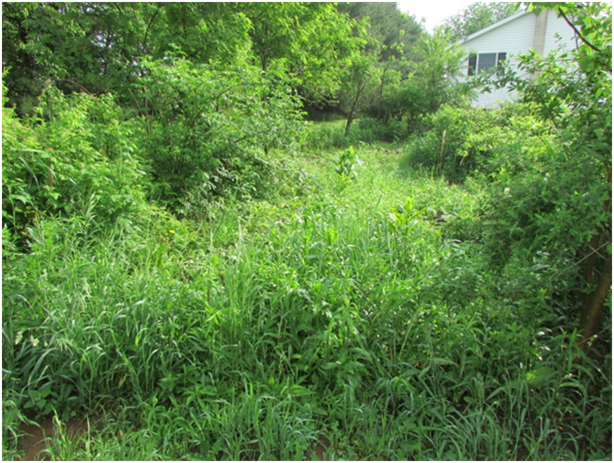
This picture of the Historic Garden
from late-May really makes us cringe with the amount of weeds all over the
place, but that’s one thing that separates us from those living in Rausch Gap:
we are not depending on the harvest from this
garden for survival, but rather THIS garden…
Ah, better! A view of approximately half of our main “modern”
garden at the end of June, which takes up the majority of our time, and like
those living in Rausch Gap, we depend upon the harvest of this garden to help
sustain us through the winter. The main
differences between us and those living in Rausch Gap with this particular
“modern” garden, other than modern varieties of vegetables, and nearly
unlimited garden space in the yard, is the modern convenience of rot-o-tillers,
weed whackers, metal plant stakes, sprinkler systems, and modern pest control
measures.
WHAT'S GROWING IN THE HISTORIC GARDEN
(other than weeds)

Potatoes – Garnet Chile – As you saw from our earlier post we planted two
pounds of potatoes in three rows. They grew to about three foot tall and were
mounded up with dirt only once. We did have some Colorado Potato Beetles on
them at one point, but we removed all of them the old-fashioned way (picking
them off by hand). Please Note: Those in in Rausch Gap would NOT have had the
misfortune of dealing with the potato beetle due to the beetles not migrating
eastward from Colorado until 1859. The
residents of Rausch Gap would have been more worried about another potato
famine, than the beetle. Therefore we
have no true basis on how they got rid of them, other than likely hand-picking
them off and dropping them into a container of kerosene as children did around
the time of the Civil War. We now believe there is a blight attacking our
potatoes (in all of our gardens). Not
fun!
About our
Potato Variety:
There are
several potatoes that date to the time period but the challenge was actually
finding the real potato, and not just the variety listed somewhere on the
internet. “Reverend Chauncy E. Goodrich of Utica, New York, introduced this
variety [Garnet Chili Potato] in 1853. In response to the blight of 1846, he
obtained seed stock from Chile, and from those plants he selected this small,
round, pink potato that became the granddaddy of most nineteenth-century varieties
we know today.”
With the
majority of the population coming from Western Europe, specifically the British
Isles, potatoes were a staple of their diet. Garnet Chiles are used as “excellent
boiling potato, perfect for salads, and makes an attractive garnishing potato
for restaurant cookery.” Potatoes would take up a good portion of a Stony
Valley garden and they would also be one of the most challenging plants to
grow. Potatoes need to be planted 6”-8” in the ground and once plants start
growing they must be mounded up with soil several times. Dealing with rocky
terrain would make this one of the more challenging plants to grow, but potatoes
were part of the resident’s heritage and daily diet in both the old country and
new.
We
purchased our potatoes from www.potatogarden.com in Colorado, which has a number of great heirloom
varieties.
 Cabbage – Early Jersey Wakefield - The Cabbage is not doing so hot. We had
almost thirty plants spring up but our local wildlife, along with the weeds,
had something else in mind. We weeded throughout the spring around each cabbage
and put up some fencing, about two feet high, around the cabbage after they had
been eaten, and they started growing fairly well again, but the fence did
nothing to deter the wildlife (particularly the deer, which we believe to be
the culprit). In the Rausch Gap they
would have used several different methods to deal with wildlife including
fencing (if they had the money or time to spend on this extra as likely it
would have been woven twig fencing), with a gun (most of these families would
have been new immigrants and most wouldn’t have the means to purchase a hunting
gun as it would cost a half-a-year to a year’s wages to purchase), or a trap
(would be dictated by cost and if a family had the extra income to spend). So,
even with our fence, we now have no cabbage.
Cabbage – Early Jersey Wakefield - The Cabbage is not doing so hot. We had
almost thirty plants spring up but our local wildlife, along with the weeds,
had something else in mind. We weeded throughout the spring around each cabbage
and put up some fencing, about two feet high, around the cabbage after they had
been eaten, and they started growing fairly well again, but the fence did
nothing to deter the wildlife (particularly the deer, which we believe to be
the culprit). In the Rausch Gap they
would have used several different methods to deal with wildlife including
fencing (if they had the money or time to spend on this extra as likely it
would have been woven twig fencing), with a gun (most of these families would
have been new immigrants and most wouldn’t have the means to purchase a hunting
gun as it would cost a half-a-year to a year’s wages to purchase), or a trap
(would be dictated by cost and if a family had the extra income to spend). So,
even with our fence, we now have no cabbage.
About our
Cabbage Variety:
The Early
Jersey Wakefield Cabbage was first grown in America by Francis Brill of Jersey
City, New Jersey in 1840. This variety is a variation of the Early Wakefield
variety of cabbage from England. The variety is hardy and great for the
northern climate of the United States, particularly Pennsylvania. This variety can last in the ground well into
the fall after the first frost, and produces heads typically 2 to 3 pounds in
size. Plants like relatively cool temperatures when starting indoors or in a
cold frame, and they need good rich soil with an abundant of moisture to
produce solid and crisp heads. Good rich soil may have been hard to come by in
Rausch Gap, but it’s the perfect option for sauerkraut making and winter
storage in the region.
We
purchased ours from Baker Creek Heirloom Seed Company
 Beets – Early Blood Turnip- We planted beets in rows along with
parsnips, marked carefully with twigs, and have found a few of these root
vegetables growing among the weeds.
About our
Beet Variety:
Beets are great for storing over
winter. As the theme is with the majority of our plants, they must be able to be
stored for several months as to provide the much need nutrition during the long
winter months. The Early Blood Turnip dates back to early part of the 19th
century. “Its name is due to the fact that when cooked, the beet exudes a thick
juice, similar in consistency to blood. This rich texture was particularly well
liked by colonial cooks, especially the Pennsylvania Dutch. (www.motherearthnews.com)”
Beets – Early Blood Turnip- We planted beets in rows along with
parsnips, marked carefully with twigs, and have found a few of these root
vegetables growing among the weeds.
About our
Beet Variety:
Beets are great for storing over
winter. As the theme is with the majority of our plants, they must be able to be
stored for several months as to provide the much need nutrition during the long
winter months. The Early Blood Turnip dates back to early part of the 19th
century. “Its name is due to the fact that when cooked, the beet exudes a thick
juice, similar in consistency to blood. This rich texture was particularly well
liked by colonial cooks, especially the Pennsylvania Dutch. (www.motherearthnews.com)”
Beets were a common vegetable in the
British Isles and would have been another staple of the resident’s diets and
thus in their gardens. Beets would have been used for baking, in stews or
pickled for long term storage.
 Parsnips – Hollow Crown - We didn't hold too many high hoops
for the sole reason that they require sand/loose soil to grow in. We have
anything but that. The townspeople in Rausch Gap would have faced the same
issue with rocks to contend with.
Currently, we cannot find a single parsnip.
Parsnips – Hollow Crown - We didn't hold too many high hoops
for the sole reason that they require sand/loose soil to grow in. We have
anything but that. The townspeople in Rausch Gap would have faced the same
issue with rocks to contend with.
Currently, we cannot find a single parsnip.
About our
Parsnip Variety:
Parsnips
are a close relative to the carrot. It was a common staple of the poorest diet.
“This variety became popular in England in the 1820s. George Lindley listed it
among the varieties recommended for kitchen gardens, and it appeared on many
American seed lists during the nineteenth century.(www.motherearthnews.com)”
Parsnips are the best of all the veggies planted in the garden for storage over
the winter months. They can actually be
kept in the ground over winter and dug up when needed.
Parsnips
desire sandy soil as the roots can grow up to 24 inches long. We do not know
how much success they would have had back in Stony Valley with the rocky soil
and for that matter how well we are going to be able to grow it with our garden’s
soil not thoroughly worked. Obviously,
since we cannot find any, they probably didn’t do too well.
We
actually found this variety at a local garden center from Lake Valley Seed
Company.
 Onions – Yellow Flat Dutch – So we started our onions inside a
little late. Since we wanted a variety that was of the time period the only
available way to purchase them was as seeds compared to seed sets (which are
just really small onions), which is the common method to plant onions now. We
planted them in wooden containers in our wood shed. Well the mice decided they
looked tasted after a long winter once they started sprouting up like spring
onions. So, no onions this season.
Onions – Yellow Flat Dutch – So we started our onions inside a
little late. Since we wanted a variety that was of the time period the only
available way to purchase them was as seeds compared to seed sets (which are
just really small onions), which is the common method to plant onions now. We
planted them in wooden containers in our wood shed. Well the mice decided they
looked tasted after a long winter once they started sprouting up like spring
onions. So, no onions this season.
About our
Onion Variety:
Great
tasting and good for storage over a long winter makes onions a must in our
garden. When you think of getting onions to plant you think of buying onion
sets at the store, onions that are already growing and look more like spring
onions when you plant them. The only variety we could find that was from the
time period came as seeds. The Yellow Flat Dutch, “An onion by this name was
offered in 1888 by RH Allen seed company, who wrote: "A good variety; mild
flavored; large, and keeps well." This is a long day type that is fine for
kitchen use. (Baker Creek Heirloom Seed Company)”
We
purchased ours from Baker Creek Heirloom Seed Company.
HIGHER HOPES FOR THE FALL
One of the
other things that is now attacking our garden are Japanese Beetles which are
eating our berries, leaves of the weeds, and now other plants in the garden.
Once again like the Colorado Potato Beetles, the people of Rausch Gap would not
have had to deal with these beetles as they didn’t come to America until
shortly before World War I, so we don’t have any clear idea how they would have
dealt with them, other than perhaps just picking them off by hand like the
potato beetles.
Invasion of the beetles (in the berry patch)! The Historic Garden was only under seige from the Colorado Potato Beetles and the Japanese Beetles. Due to the varieties of crops that were choosen they were spared from the Striped Cucumber Beetles, Mexican Bean Beetles and Tomato Hornworms that have all made their homes nearby; however, the Grasshoppers have now arrived in the area as well, and we have yet to see what amount of havoc they might wreak.
For the
fall crop we plan on planting kale, cabbage and carrots. Cabbage will be
started indoors to allow it a better shot at surviving, and we are work on
methods to take care of our wildlife issue.
If you have any ideas on how to “fix” the wildlife issues using historic
methods, we’d be happy to hear them!
THE SCAVENGER
As I mentioned in my first post, the townspeople in Rausch
Gap would also be looking to the woods and fields to provide food for the
table. A variety of different greens
that are edible and found in abundance in the spring and early summertime were
the first to arrive. Fortunately for me,
I did not have to eat any dandelion salads, but my wife did attempt some
dandelion jelly from the flowers of the plants.
Otherwise our dandelions stayed far from the table underneath the
lawnmower’s blades. Black raspberries
and mulberries have already arrived, and are about to leave, and would have
provided some fresh fruit for their table, like ours. These we gathered from our personal berry
patch at the edge of the Historic Garden and from the other areas of the property. Blackberries, wineberries, huckleberries and
elderberries would be the next crops to come in, with the first of the
blackberries appearing just a few days ago.

Of the varieties of berries that are available to us, near the Historic Garden, are (clockwise) Elderberries, Black Raspberries, Blackberries and Mulberries. These could have been used immediately by the residents of Rausch Gap or preserved for winter use.
WHAT WE LEARNED SO FAR
Gardening
is hard work; something we already knew as we have a rather large personal
garden as well. (Fun Fact: The Historic
Garden is approximately 550 square feet of the over 4,600 square feet of garden
space we maintain which includes herb gardens, berry patches, a mint bed, the Historic
Garden, and the main “modern” garden.
Being only about 12% of the garden space we maintain, it often falls
through the cracks as we live off the produce harvested from our other
gardens). But, the challenge of taking
untamed land that has never been worked, or hasn’t been worked for a very long
time like the land we are dealing with, is more than hard work and a challenge
to keep up with, especially without the aid of modern machinery.
In Rausch
Gap, the gardens would have been maintained mainly by the women and children of
the household. Men in the family would
have 10-to-12 hour work days, usually six days a week, and been unable to keep
up with the amount of work a garden contained.
From planting to weeding, watering to harvesting, often the littlest
hands in the household were put to work.
Lydia M. Child in The American
Frugal Housewife in 1832 even suggested that “a child of six years old can
be made useful; and should be taught to consider every day lost in which some
little thing has not been done to assist others,” and that children “can weed
the garden, and pick cranberries from the meadow, to be carried to market.” Everyone, young and old, would have helped in
a Rausch Gap garden.
Looking from the Black Raspberry and Blackberry bushes by the compost bin, towards the fenced-in Early Jersey Wakefield Cabbage, and behind them the Garnet Chili Potato patch of the Historic Garden on July 13th.
If a
family’s garden in Rausch Gap didn’t produce much in 1855, they would have had
to rely more on scavenging for food in the woods and fields, hunting and
fishing when the appropriate season, or purchasing more from the company
store. One thing we have learn about the
families of Stony Valley is that it was a daily battle to keep food on the
table and a roof over ones head without owing one’s life to the company store.